

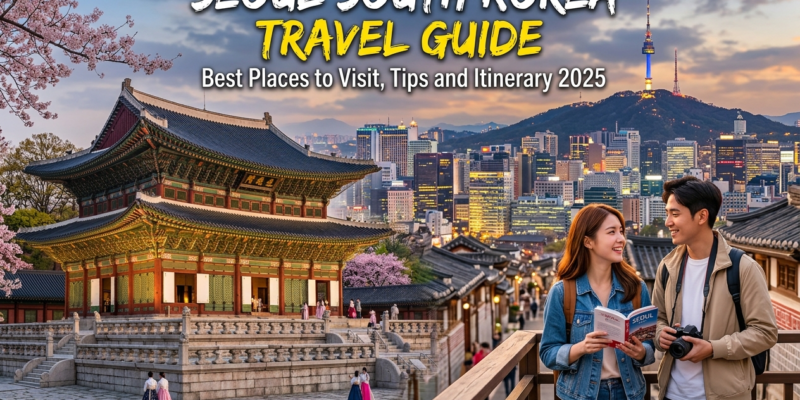
Seoul is one of the most dynamic cities in Asia and a must-visit destination for anyone planning a trip to East Asia. As the capital of South Korea, Seoul perfectly balances ancient royal palaces with futuristic skyscrapers, traditional markets with world-class shopping malls, and serene Buddhist temples with electric nightlife. This complete Seoul South Korea travel guide gives you everything you need to plan a memorable trip, from visa information to neighborhoods, food, transport, and a detailed day-by-day itinerary.
Whether you are a solo traveler, a couple on a romantic getaway, a student exploring Korean student life, or a family on a cultural tour, Seoul has something remarkable to offer at every turn.
Why Visit Seoul in 2025
Seoul has rapidly risen in global travel rankings over the past decade. It is consistently listed among the safest capitals in the world, with exceptionally low crime rates, spotless public spaces, and a highly efficient public transportation network. The city’s global influence through K-pop, Korean cinema, Korean cuisine, and K-beauty has made it one of the most sought-after travel destinations among young travelers worldwide.
In 2025, Seoul continues to attract millions of international visitors drawn by its vibrant culture, affordable luxury, incredible food scene, and the sheer variety of experiences it offers within a relatively compact urban area.
Seoul Travel Visa Requirements for Indian Travelers
Indian passport holders currently require a visa to enter South Korea. The Korea Electronic Travel Authorization (K-ETA) system, which previously allowed visa-free entry for many nationalities, was suspended for Indian nationals. Therefore, you must apply for a short-term tourist visa (C-3 visa) through the Korean Embassy or consulate nearest to your home city.
Documents required for Seoul tourist visa:
- Valid Indian passport with at least 6 months validity
- Completed visa application form
- Recent passport-sized photographs
- Flight itinerary (return tickets)
- Hotel booking confirmation or invitation letter
- Bank statements for the last 3 to 6 months
- Income tax returns or salary slips
Processing time is typically 5 to 7 business days. Apply well in advance of your planned travel dates. For students who are planning to stay longer than 90 days for academic programs, a different visa category applies. The Study in South Korea platform provides guidance on long-term student visas.
Best Time to Visit Seoul South Korea
Seoul experiences four distinct seasons, and each offers a unique travel experience.
Spring (March to May) This is widely considered the best time to visit Seoul. Cherry blossoms bloom throughout the city, particularly in Yeouido, Namsan Mountain, and Seoul Grand Park. Temperatures are mild, ranging from 8 to 20 degrees Celsius, and the city is exceptionally photogenic.
Summer (June to August) Seoul summers are hot and humid, with temperatures reaching up to 35 degrees Celsius. July and August bring heavy monsoon rains. Despite the heat and rain, summer is vibrant with outdoor festivals, rooftop bars, and water parks. Plan indoor activities for midday.
Autumn (September to November) Autumn rivals spring as the best travel season. The city is blanketed in vivid red and orange foliage, particularly at Bukhansan National Park, Changdeokgung Secret Garden, and Namsan. Temperatures are cool and comfortable.
Winter (December to February) Seoul winters are cold, with temperatures regularly dropping below freezing. Snowfall is common and the city looks magical dusted in white. Winter is perfect for skiing at nearby resorts and for exploring Seoul’s extensive indoor food halls, cafes, and shopping centers. Many travelers who come to experience Korean culture in winter are surprised by how enjoyable the season is.
Top Tourist Attractions in Seoul
Gyeongbokgung Palace Built in 1395 during the Joseon Dynasty, Gyeongbokgung is the largest and most iconic of Seoul’s Five Grand Palaces. The palace complex covers over 400,000 square meters and includes the National Folk Museum of Korea and the National Palace Museum of Korea within its grounds. The changing of the royal guard ceremony takes place daily and is a must-see spectacle.
Bukchon Hanok Village Located between Gyeongbokgung and Changdeokgung, Bukchon is a well-preserved traditional Korean village with over 900 hanok (traditional Korean houses). Walking its narrow alleys feels like stepping back into the Joseon era. Arrive early in the morning to enjoy it without the midday crowds.
Myeongdong Shopping District Myeongdong is Seoul’s most popular shopping and tourism district. Its pedestrian streets are lined with hundreds of K-beauty shops, clothing stores, street food stalls, and international brands. This is the best place to stock up on Korean skincare products and try popular Korean street foods like tteokbokki, hotteok, and egg bread.
Dongdaemun Design Plaza (DDP) Designed by renowned architect Zaha Hadid, the DDP is a futuristic landmark that hosts major fashion events, design exhibitions, and cultural performances. The building’s sweeping, silvery curves are one of the most photographed structures in modern Seoul.
Insadong Insadong is Seoul’s cultural heartbeat. This neighborhood is filled with traditional tea houses, antique shops, art galleries, and craft stores selling handmade Korean goods. It is the perfect place to buy authentic souvenirs and experience traditional Korean aesthetics in a relaxed setting.
Hongdae (Hongik University Area) Hongdae is the epicenter of youth culture in Seoul. Named after Hongik University, the area is famous for its street performances, indie music venues, quirky cafes, vintage clothing stores, and some of the best nightlife in the city. It is a favorite neighborhood among students who are studying abroad in Korea.
Namsan Tower (N Seoul Tower) Standing at 479 meters above sea level, Namsan Tower offers panoramic views of the entire city. Visitors can take a cable car up the mountain or hike the trails for free. The tower’s observation deck and the famous love lock installation attract couples from around the world.
Lotte World Lotte World is one of the world’s largest indoor theme parks, featuring roller coasters, a massive indoor ice rink, a folk museum, and an outdoor section called Magic Island. It is ideal for families and anyone who wants a full day of entertainment.
Itaewon Itaewon is Seoul’s most internationally diverse neighborhood. Formerly anchored by the U.S. military base, it has evolved into a cosmopolitan hub with restaurants serving cuisines from over 50 countries, international clubs, independent boutiques, and a welcoming atmosphere for foreign visitors.
Gangnam District Made globally famous by the Psy music video, Gangnam is a symbol of modern Korean affluence. The COEX Mall (one of Asia’s largest underground malls), Bongeunsa Temple, Apgujeong Rodeo Street, and the Garosugil tree-lined boulevard are all worth exploring here.
Seoul Neighborhoods Worth Exploring
Seongsu-dong Often called the “Brooklyn of Seoul,” Seongsu has transformed from an industrial zone into a trendy neighborhood of coffee roasteries, brunch spots, design studios, and pop-up boutiques. It is the go-to area for Seoul’s creative class.
Ikseon-dong Hanok Village Smaller and less touristy than Bukchon, Ikseon-dong features traditional hanok buildings that have been converted into chic bars, cafes, and restaurants. Its intimate alleyways are especially beautiful at night.
Yeonnam-dong Adjacent to Hongdae but with a calmer vibe, Yeonnam-dong is known for its independent cafes, bookshops, and multicultural dining options. It has a distinctly bohemian character.
Apgujeong Rodeo Street This upscale shopping avenue in Gangnam is lined with luxury brand flagship stores, high-end Korean beauty clinics, and fine dining restaurants. It gives a clear picture of Seoul’s top-tier consumer culture.
Korean Food You Must Try in Seoul
Seoul is a world-class food city. Here are dishes you absolutely cannot leave without trying:
Samgyeopsal (Grilled Pork Belly) This is arguably Korea’s most beloved meal. You grill thick slices of pork belly at your table, wrap them in lettuce leaves with garlic, kimchi, and fermented soybean paste, and eat them as a bundle.
Bibimbap A colorful bowl of rice topped with an assortment of seasoned vegetables, a fried egg, and gochujang (red pepper paste). Mix everything together before eating. Jeonju bibimbap is considered the definitive version.
Tteokbokki Chewy rice cakes cooked in a spicy-sweet sauce, often served with fish cakes and boiled eggs. Available as street food throughout the city.
Korean Fried Chicken Korean fried chicken is a revelation. Double-fried for maximum crunch and available in a dozen sauces including soy garlic, honey butter, and nuclear spicy, it is best enjoyed with a cold beer.
Haemul Pajeon (Seafood Pancake) A thick, crispy savory pancake filled with seafood and green onions. Best enjoyed with a bowl of makgeolli (rice wine).
Japchae Glass noodles stir-fried with vegetables, beef, and seasoned with sesame oil and soy sauce. A staple at Korean celebrations but available year-round.
Understanding Korean food is deeply connected to understanding Korean culture and manners. Koreans take great pride in their culinary traditions.
Getting Around Seoul: Transportation Guide
Seoul’s public transportation system is among the best in the world.
Seoul Metro The metro has 9 major lines and connects virtually every tourist attraction, university, shopping district, and neighborhood in the city. Trains run from 5:30 AM to midnight on weekdays and slightly later on weekends. Fares start at approximately 1,400 KRW.
T-Money Card This rechargeable transportation card works on the metro, buses, taxis, and even some convenience stores. Purchase one at any metro station or convenience store for around 3,000 KRW and top it up as needed. It offers a small discount on fares compared to buying individual tickets.
Seoul City Bus An extensive bus network covers routes not served by the metro. Buses are color-coded: blue for main arterial routes, green for short community routes, red for express routes to the suburbs, and yellow for circular inner-city routes.
Kakao Taxi The Kakao Taxi app (equivalent to Uber) works seamlessly in Seoul and can be set to English. Taxis are metered and affordable, especially late at night after the metro stops running.
Airport Railroad Express (AREX) The fastest way to travel between Incheon International Airport and Seoul Station is the AREX. The express train takes approximately 43 minutes and costs around 9,500 KRW. A regular train takes slightly longer but is cheaper.
7-Day Seoul Travel Itinerary
Day 1: Royal Seoul and Traditional Culture Morning at Gyeongbokgung Palace with the changing of the guard ceremony. Afternoon walk through Bukchon Hanok Village. Evening stroll through Insadong for tea and traditional crafts.
Day 2: Mountains and Views Morning hike on Bukhansan National Park (Dobongsan or Baegundae peak). Afternoon visit Seongbuk-gu neighborhood. Evening cable car to Namsan Tower for sunset views.
Day 3: Modern Seoul and Shopping Morning at Dongdaemun Design Plaza. Afternoon shopping in Myeongdong for K-beauty products. Evening dinner in Gwangjang Market, Seoul’s oldest traditional market with street food stalls.
Day 4: Gangnam and Affluence Morning at COEX Mall and Bongeunsa Temple. Afternoon on Garosugil and Apgujeong Rodeo Street. Evening in Cheongdam-dong for upscale dining.
Day 5: Youth Culture and Creativity Morning in Hongdae for cafes and street art. Afternoon in Seongsu-dong for coffee and brunch. Evening in Ikseon-dong Hanok Village for cocktails.
Day 6: Han River and Leisure Morning bike ride along the Han River at Yeouido. Afternoon visit to 63 Building or Yeouido Park. Evening at a Han River picnic (a beloved local tradition, especially in summer and spring).
Day 7: Day Trip to Suwon or DMZ Option A: Visit Hwaseong Fortress in Suwon (UNESCO World Heritage Site, 45 minutes from Seoul by metro). Option B: Take a guided DMZ tour to the demilitarized zone separating North and South Korea for one of the most sobering and historically significant experiences in Asia.
Budget Planning for Seoul Travel
Seoul offers excellent value for money compared to other world capitals. Here is a general daily budget breakdown:
Budget Traveler: 50,000 to 80,000 KRW per day (hostels, street food, metro transport) Mid-Range Traveler: 120,000 to 200,000 KRW per day (guesthouses or budget hotels, restaurant meals, occasional taxi) Luxury Traveler: 400,000 KRW and above per day (five-star hotels, fine dining, private tours)
Currency exchange is best done at Myeongdong money exchange booths or major bank branches, which typically offer better rates than airport kiosks.
Practical Travel Tips for Seoul
Carry cash. While card payments are widely accepted, some traditional markets, small restaurants, and convenience stores in older neighborhoods prefer cash.
Download the Papago app (developed by Naver) for real-time Korean translation. It works offline and is far more accurate for Korean than other translation apps.
Respect local etiquette. Bow slightly when greeting, offer and receive items with both hands, and avoid eating or drinking on the metro. Studying basic Korean social manners before your trip will significantly improve your experience.
Convenience stores (GS25, CU, 7-Eleven, Emart24) are everywhere and sell hot meals, fresh food, alcohol, phone chargers, and basic medicines at very reasonable prices. They are a lifeline for budget travelers.
Seoul is extremely pedestrian and public transport friendly. You rarely need to rent a car.
Seoul as a Base for Studying in South Korea
Beyond tourism, Seoul is the top destination for international students pursuing undergraduate and postgraduate programs in South Korea. The city hosts prestigious institutions including Seoul National University, Yonsei University, Korea University (collectively known as SKY), Sungkyunkwan University, and Hanyang University, among many others.
Living in Seoul as a student provides access to world-class academics, an incredible social life, and professional networking opportunities in one of Asia’s leading economies. If you are considering Seoul for study, the team at Study in South Korea can help you with university selection, application support, visa guidance, and pre-departure preparation.
Final Thoughts on Seoul South Korea Travel
Seoul is a city that grows on you with every visit. Its layers of history, modernity, culture, and cuisine make it endlessly explorable. Whether you spend a long weekend or a full month, you will leave feeling like you have only scratched the surface. Plan thoroughly, embrace spontaneity, respect the culture, and enjoy one of the most extraordinary cities in the world.
For students, expats, and long-term residents, Seoul is not just a travel destination. It is a place where people build careers, form lifelong friendships, and transform their lives. Explore all that South Korea has to offer through Study in South Korea.