


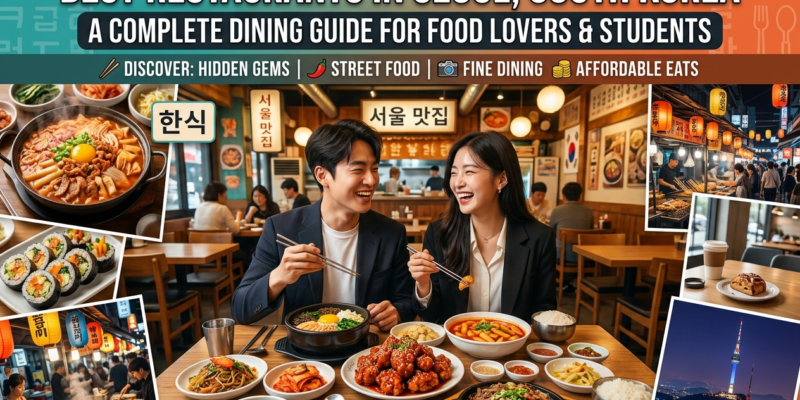
Seoul is one of the world’s great food cities. Few capitals on earth can match the sheer variety, quality, and affordability of dining options available in South Korea’s capital, where ancient culinary traditions meet modern gastronomy in a city that never stops eating. Whether you are a first-time visitor hungry for authentic Korean barbecue or an international student learning to navigate local dining customs, this guide to the best restaurants in Seoul South Korea will point you in the right direction.
From late-night pojangmacha tents in Jongno to elegant tasting menus in Gangnam, Seoul’s restaurant scene rewards those who explore it with curiosity and an open palate.
Why Seoul Is a World-Class Food Destination
Seoul’s culinary reputation has grown enormously over the past decade. The city regularly features in global food rankings, and its Michelin Guide listings have expanded year after year since the guide first covered Seoul in 2016. Korean cuisine itself gained massive international attention through the global spread of K-pop and Korean drama, turning dishes like bibimbap, tteokbokki, and samgyeopsal into household names far beyond the Korean Peninsula.
But the local reality is far richer and more complex than what reaches international audiences. Seoul has distinct food neighborhoods, each with its own specialties and dining culture. Understanding where to eat and what to order requires familiarity with the city’s geography and culinary logic.
For international students and newcomers managing daily life in Korea, food is also one of the most enjoyable entry points into understanding Korean culture and social customs. Sharing a meal, understanding dining etiquette, and knowing how to order confidently are all part of settling into Korean life.
Korean Dining Etiquette You Should Know Before Eating Out in Seoul
Before diving into restaurant recommendations, it helps to understand a few core principles of Korean dining culture. These customs shape the experience in ways that differ significantly from Western dining norms.
In Korean restaurants, it is standard practice to eat together, and dishes are typically shared across the table rather than being individually portioned. Side dishes called banchan are served communally and can be refilled for free at most traditional Korean restaurants. It is considered impolite to pour your own drink before pouring for others at the table first.
Elders and seniors are typically served first, and it is respectful to wait for the eldest person at the table to begin eating before you start. Using two hands when receiving a dish or a drink from an elder is a sign of respect deeply embedded in Korean social manners.
Tipping is not practiced in South Korea. Leaving money on the table after a meal can actually cause confusion or mild offense, as tipping is not part of the service culture. The price on the menu is the price you pay.
Traditional Korean Restaurants Worth Visiting in Seoul
Gwangjang Market, Jongno
Gwangjang Market is one of Seoul’s oldest and most beloved traditional markets, and its food hall is a definitive experience for anyone serious about Korean street food and traditional dishes. The market is famous for bindaetteok (mung bean pancakes), mayak gimbap (bite-sized seaweed rice rolls), and raw beef yukhoe served with Asian pear and sesame oil. Eating at a market stall here, seated elbow-to-elbow with Korean grandmothers and office workers, is as authentic a Seoul food experience as it gets.
Tosokchon Samgyetang, Gyeongbokgung
Located near Gyeongbokgung Palace, Tosokchon is one of Seoul’s most famous restaurants and has been serving samgyetang (whole chicken stuffed with glutinous rice, ginseng, jujube, and garlic, slow-cooked in broth) since the 1970s. Long queues outside are common, particularly during summer when Koreans traditionally eat hot soup to replenish energy lost to heat, following the concept of yi yeol chi yeol, or fighting heat with heat. The restaurant is an institution and visiting it is a cultural experience as much as a culinary one.
Jungsik, Gangnam
For those interested in how Korean cuisine is being reimagined through fine dining techniques, Jungsik is essential. Chef Jungsik Yim holds two Michelin stars and offers a contemporary Korean tasting menu that draws on traditional flavors and seasonal ingredients while presenting them in ways that challenge expectations. Reservations are required well in advance.
Korean Barbecue Restaurants in Seoul
Korean barbecue is arguably the dish most associated with Seoul dining globally, and eating it in its home city is a different experience from the international versions that have spread worldwide.
Maple Tree House, Itaewon
This restaurant is consistently praised for the quality of its black Angus beef and the professionalism of its service. The hanwoo beef options, sourced from premium Korean cattle, are exceptional and priced accordingly. The ambiance balances a traditional aesthetic with modern comfort, making it suitable for both casual dinners and important occasions.
Palsaik Samgyeopsal, Multiple Locations
Palsaik, meaning eight colors, serves pork belly marinated in eight different flavor combinations, from ginseng and red pepper to curry and herb blends. This is a fantastic option for groups, as it turns a standard samgyeopsal meal into a diverse tasting experience. Multiple locations across the city make it accessible regardless of which neighborhood you are staying in.
Butcher’s Cut, Gangnam
For premium dry-aged Korean beef in a contemporary setting, Butcher’s Cut is a top choice. The restaurant combines a Western steakhouse sensibility with Korean-quality beef sourcing, making it popular with both Koreans and international diners.
Vegan and Vegetarian Restaurants in Seoul
South Korea’s food culture has historically been heavily centered on meat and seafood, but Seoul’s plant-based dining scene has expanded significantly in recent years, partly driven by the influence of Korean Buddhist temple cuisine and partly by growing health-conscious eating habits among younger Koreans.
Plant, Itaewon
Plant is one of Seoul’s longest-established fully vegan restaurants and remains a benchmark for plant-based dining in the city. The menu draws on global cuisine with vegan Korean twists, and the brunch menu in particular draws a loyal crowd. Itaewon’s diverse international character makes it a natural home for this kind of restaurant.
Sanchon, Insadong
Sanchon serves Korean Buddhist temple food, a centuries-old culinary tradition built around vegetables, fermented pastes, mountain herbs, and tofu. The restaurant is housed in a traditional hanok building and offers set menus that progress through multiple small dishes, creating an experience that is as meditative as it is delicious. This is one of the most culturally distinctive dining experiences available in Seoul.
Seafood Restaurants in Seoul
Despite being an inland city, Seoul has excellent access to fresh seafood from both the West Sea (Yellow Sea) and the South Sea. The Noryangjin Fish Market, open 24 hours, is the city’s wholesale seafood hub and one of the most extraordinary food destinations in Asia.
Noryangjin Fisheries Wholesale Market
At Noryangjin, visitors can select live seafood directly from vendors on the market floor and have it prepared for eating on the spot in adjacent restaurants. This typically involves choosing live crab, abalone, sea cucumber, or any number of other species, negotiating a price, and then taking it upstairs to a restaurant that will prepare it according to your preference. The experience is interactive, fresh, and genuinely unforgettable.
Haenyeo, Yeouido
This contemporary seafood restaurant draws inspiration from the haenyeo diving women of Jeju Island and sources premium Jeju seafood for its menu. The interior design is elegant and the food quality is consistently high, making it a popular choice for business dinners and special occasions.
Affordable Eating for Students in Seoul
For international students managing budgets while living the student life in Korea, Seoul is genuinely excellent value when you eat like a local. University campus cafeterias serve hot, balanced Korean meals for 3,000 to 5,000 Korean won, which amounts to less than five US dollars. Gimbap restaurants near campus areas offer a full meal of rice rolls, ramen, and Korean stew for similarly low prices.
Convenience stores like CU, GS25, and 7-Eleven in Korea are also a meal option far superior to their equivalents in most other countries. Triangle gimbap, hot buns, instant noodles prepared in-store, and microwaveable rice sets are all genuinely decent options for quick and affordable meals.
Dongdaemun and Hongdae neighborhoods have dense concentrations of affordable restaurants catering to students and young professionals, with many offering lunch specials and meal sets below 8,000 won.
Coffee Culture and Cafes in Seoul
Seoul may have the highest density of coffee shops per capita of any major city in the world, and coffee culture in Seoul is a serious matter. Neighborhood-specific cafe cultures have developed organically across different districts.
Seongsu-dong, often called the Brooklyn of Seoul, is home to an extraordinary concentration of independent third-wave coffee shops in converted industrial spaces. Ikseon-dong offers cafes inside restored traditional hanok buildings, creating a contrast between centuries-old architecture and specialty espresso. Mapo-gu and the area around Yonsei and Hongik Universities cater to the student population with long-hours cafes offering good wifi and affordable menus.
For students looking to understand Korean academic life better, studying in a neighborhood cafe is genuinely a part of the Korean student experience, and cafes near universities are designed with long study sessions in mind.
Food Delivery Culture in Seoul
One aspect of Seoul dining that surprises many international visitors is the sophistication of the delivery ecosystem. Korean food delivery apps including Baemin and Coupang Eats operate to an extraordinary standard, with delivery times often under 30 minutes even from high-quality restaurants.
Almost every type of restaurant participates in delivery culture, from premium Korean barbecue with portable grills delivered to your door, to late-night chimaek (fried chicken and beer) orders that define weekend evenings for millions of Seoul residents. International students generally find that Korean food delivery apps are navigable with some translation assistance or by switching to English interface modes.
Planning Your Culinary Journey Through Seoul
Seoul’s restaurant scene rewards exploration and repeat visits. A single trip cannot cover all that this city offers, and the dining landscape changes constantly as new chefs, concepts, and food trends emerge.
For anyone planning to study, work, or live in Seoul long-term, building familiarity with different neighborhoods and their food cultures is one of the most pleasurable parts of settling in. Understanding what to eat, where to find it, and how to behave at the table makes daily life richer and more connected to the fabric of Korean society.