


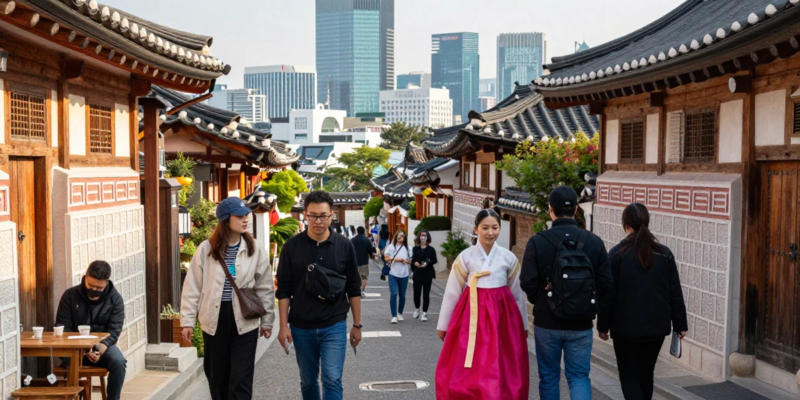
Life in South Korea blends cutting-edge technology with rich traditions, creating a unique daily experience for residents and visitors. From fast-paced urban routines to community-focused values, understanding life in South Korea helps Indian students and professionals prepare effectively. This guide covers daily routines, work culture, social norms, and practical tips for thriving.
Why Life in South Korea Attracts Indians in 2026
Life in South Korea offers advanced infrastructure, career opportunities, and cultural immersion that draw Indians for jobs in Korea for Indians. Cities like Seoul and Busan provide high-speed internet, efficient public transport, and modern amenities. The growing Indian community supports newcomers through cultural events and networking. For those planning study in South Korea after 12th, the structured lifestyle aligns well with academic goals.
Daily life revolves around work, technology, and seasonal festivals. Indians appreciate the safety, cleanliness, and vegetarian food options available in major cities.
Daily Routine in Life in South Korea
Life in South Korea follows a disciplined schedule shaped by work and education demands.
Typical Day for Professionals in South Korea
Professionals wake early for commutes via subway or KTX trains. Office hours run from 9 AM to 7 PM, with lunch breaks featuring bibimbap or kimbap. Evenings involve gym visits, convenience store dinners, or noraebang karaoke sessions. Weekends focus on family gatherings or hiking in national parks.
Students experience similar rhythms with classes from 9 AM to 4 PM, followed by self-study at libraries or cafes.
Morning and Evening Routines in South Korea
Mornings start with rice-based breakfasts and smartphone payments for coffee. Evenings feature street food markets or PC bangs for gaming. Public transport operates until midnight, supporting late routines.
Work Culture in Life in South Korea
Work culture defines much of life in South Korea, emphasizing hierarchy and long hours.
Office Life and Hierarchy in South Korea
Seniority dictates decisions in chaebol companies like Samsung. Meetings involve bowing and honorifics learned through K-manners. Overtime is common, but remote work grows post-2025 reforms. Indians adapt by mastering basic Korean phrases.
Work-Life Balance in South Korea 2026
Recent laws cap weekly hours at 52, improving balance. Still, dedication remains key for universities in South Korea for international students career services.
Food and Dining in Life in South Korea
Food shapes social life in South Korea with communal meals and street eats.
Daily Meals and Korean Cuisine
Breakfast features toast or porridge, lunch is office-provided, and dinner involves samgyeopsal grilling. Vegetarian options like dubu kimchi suit Indians, with Indian restaurants in Itaewon. Convenience stores offer 24-hour ramyeon.
Street Food Culture in South Korea
Hojicha tea, tteokbokki, and hotteok fill evenings at pojangmacha tents. Festivals showcase seasonal foods tied to famous things of South Korea.
Housing Options in Life in South Korea
Housing varies by status in South Korea’s urban landscape.
Apartments and Officetels in South Korea
Students choose goshiwons or hasukjibs near campuses, costing 500,000 KRW monthly. Professionals rent officetels with coin laundries. Families seek apartments in Gangnam or Mapo.
| Housing Type | Monthly Cost (KRW) | Best For |
|---|---|---|
| Goshiwon | 300,000-500,000 | Students |
| Officetel | 800,000-1,500,000 | Singles |
| Apartment | 2,000,000+ | Families |
Social Life and Relationships in South Korea
Social interactions emphasize group harmony in life in South Korea.
Making Friends and Dating in South Korea
Koreans form bonds through hometowns or company circles. Apps like HelloTalk help foreigners. Dating involves coffee shops and PC cafes, with marriage pressures around age 30.
Indian Community Life in South Korea
Indian associations host Diwali at Sri Radha Shyamasundar Mandir. Cricket leagues and Bollywood nights build networks.
Technology and Convenience in Life in South Korea
South Korea leads globally in digital integration.
Smartphone Culture in South Korea
KakaoTalk handles payments, taxis, and chats. Naver Map navigates better than Google. Dash passes replace cash, as noted in 1 Indian Rupee in South Korea guides.
Public Services and Infrastructure
Subways arrive every 2 minutes, bathrooms feature high-tech bidets. Recycling mandates sorted bins.
Education and Student Life in South Korea
Student routines fill life in South Korea for youth.
School and University Schedules
Hagwons extend days until 10 PM for exams. University students join clubs via K-courses. International programs offer English tracks.
Campus Facilities in South Korea
Dorms include gyms and study rooms. Festivals like OT week celebrate student life.
Seasonal Aspects of Life in South Korea
Four seasons influence daily life in South Korea.
Spring and Autumn Routines in South Korea
Cherry blossoms prompt hanami picnics in April. Fall brings Chuseok family reunions with songpyeon rice cakes.
Summer and Winter Survival Tips
Monsoon rains require umbrellas; ondol heating warms winter homes.
Transportation in Life in South Korea
Mobility defines urban life in South Korea.
Public Transit Systems in South Korea
T-money cards cover buses, trains, and bikes. KTX connects Seoul to Busan in 2.5 hours, ideal for South Korea itinerary.
Driving and Traffic Rules
Strict cameras enforce speeds, unlike relaxed night driving.
Entertainment and Leisure in South Korea
Leisure balances intense routines.
Nightlife and Hobbies in South Korea
Hongdae clubs pulse with EDM, while jjimjilbangs offer 24-hour saunas. Golf ranges serve office crowds.
K-Pop and Cultural Events
Concerts draw fans with lightsticks, linking to global K-culture.
Health and Wellness in Life in South Korea
Wellness integrates into daily life in South Korea.
Healthcare Access for Expats
National insurance covers residents after 6 months. Pharmacies sell common meds.
Fitness Culture in South Korea
Gyms open 24/7; hiking clubs tackle Bukhansan trails.
Challenges in Life in South Korea for Indians
Adaptation requires effort.
Language and Cultural Barriers
Korean fluency unlocks deeper connections. 10 differences between North and South Korea highlights Southern openness.
Cost of Living Adjustments
Seoul ranks high globally, but salaries match via services.
Tips for Thriving in Life in South Korea
Success comes from preparation.
Adaptation Strategies for Indians
Learn basic Korean, join expat groups, budget via apps. Visit about for support.
Long-Term Settlement Advice
Naturalization possible after 5 years; family visas available.
Contact us at contact for personalized study in South Korea guidance on life in South Korea.